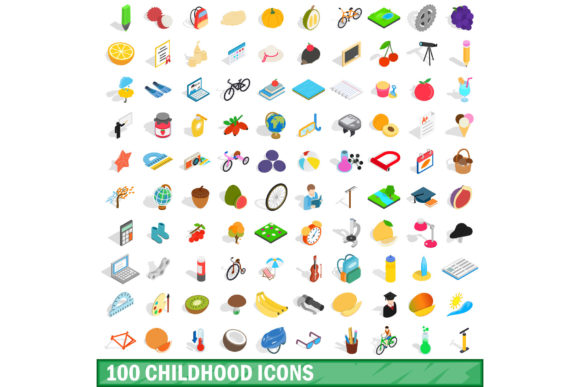
100 Childhood Icons Set: A Premium Design Resource
In the fast-paced world of digital design, finding assets that instantly evoke nostalgia while maintaining modern professionalism is a rare find. The 100 Childhood Icons Set in isometric 3D style offers exactly this balance, serving as a versatile toolkit for creators who want to inject warmth and familiarity into their visual narratives. This collection transcends simple clip art; it represents a curated library of high-fidelity vector illustrations designed to elevate any project from concept to final delivery.
The Power of Isometric 3D in Modern Branding
Moving away from flat, two-dimensional graphics, the shift toward isometric 3D styles has become a defining trend in contemporary visual communication. This depth adds a layer of tactile realism that engages users on a subconscious level. When designers incorporate the 100 childhood icons set in isometric 3D style, they are not just adding images; they are building an immersive environment. These assets provide a sense of volume and structure that makes digital interfaces feel more tangible and interactive.
This style is particularly effective for breaking down complex information into digestible visual chunks. Whether you are explaining a service flow or showcasing product features, the three-dimensional perspective guides the eye naturally, enhancing visual hierarchy. The soft shadows and precise angles characteristic of this format ensure that the graphics look polished and premium, aligning perfectly with current design trends that favor depth and dimensionality.
Practical Applications Across Industries
The versatility of these creative assets allows them to be seamlessly integrated into a wide range of professional workflows. From startups launching their first brand identity to established corporations refreshing their marketing materials, the applications are vast. Here is how these icons can transform specific design categories:
- Branding and Logo Design: Use individual icons as central motifs for logos or as supporting elements in brand guidelines to create a cohesive, playful yet professional aesthetic.
- Social Media Graphics: Generate eye-catching posts and stories that stand out in crowded feeds by leveraging the unique texture and depth of 3D isometric art.
- Website and UI/UX Design: Enhance landing pages, app interfaces, and dashboards with intuitive icons that improve user experience through clear visual cues.
- Packaging and Print Design: Add a premium touch to product packaging, brochures, and editorial layouts where physical texture needs to be simulated digitally.
- Digital Products and Merchandise: Create unique patterns for t-shirts, mugs, or digital wallpapers that appeal to audiences seeking a retro-modern vibe.
Technical Flexibility and Workflow Efficiency
One of the most significant advantages of this resource is its comprehensive file support. Available in JPG, EPS, AI, PSD, and PNG formats, the set accommodates every stage of the design process. For instance, working with EPS or AI files ensures infinite scalability without losing quality, which is crucial for large-format print jobs like billboards or trade show displays. Meanwhile, PSD layers allow designers to customize colors and effects directly within Adobe Photoshop, speeding up the revision process significantly.
The inclusion of PNG files with transparent backgrounds provides immediate usability for web developers and social media managers who need drag-and-drop solutions. This multi-format approach eliminates the need for time-consuming conversion processes, allowing teams to focus on creativity rather than technical hurdles. The vector nature of the isometric designs also means that color palettes can be adjusted to match any existing brand identity system, ensuring perfect consistency across all touchpoints.
Selecting and Integrating Assets Effectively
To get the most out of this collection, designers should prioritize consistency in lighting and angle. Since the icons share a unified isometric perspective, mixing them with other graphic styles requires careful consideration to avoid visual dissonance. It is essential to maintain a consistent color palette that complements the subject matter. If your brand uses bold, primary colors, these icons can serve as vibrant focal points. Conversely, a muted, pastel palette might suit a wellness or educational brand better.
When integrating these elements into a layout, consider the visual weight they add. In UI design, for example, overusing detailed 3D icons can clutter the interface. Instead, use them strategically to highlight key actions or sections. For editorial design, they can break up text-heavy articles, making content more engaging for readers. Always ensure that the scale of the icons remains proportional to the surrounding typography and imagery to maintain a balanced composition.
Elevating Your Creative Projects
Ultimately, the decision to use high-quality design assets comes down to the impact you wish to make on your audience. The 100 Childhood Icons Set provides a bridge between the comfort of past memories and the sophistication of modern design. By leveraging these professional-grade resources, creators can produce work that resonates emotionally while meeting rigorous technical standards. Whether you are crafting a new logo, designing a mobile app, or developing a marketing campaign, investing in such a robust library pays dividends in clarity, engagement, and overall aesthetic appeal.
Thoughtful design choices distinguish good projects from great ones. With the right tools at your disposal, you can communicate your message more effectively, strengthen your brand presence, and deliver a superior user experience. Embrace the potential of isometric 3D illustration to bring your creative vision to life with depth, charm, and professional polish.